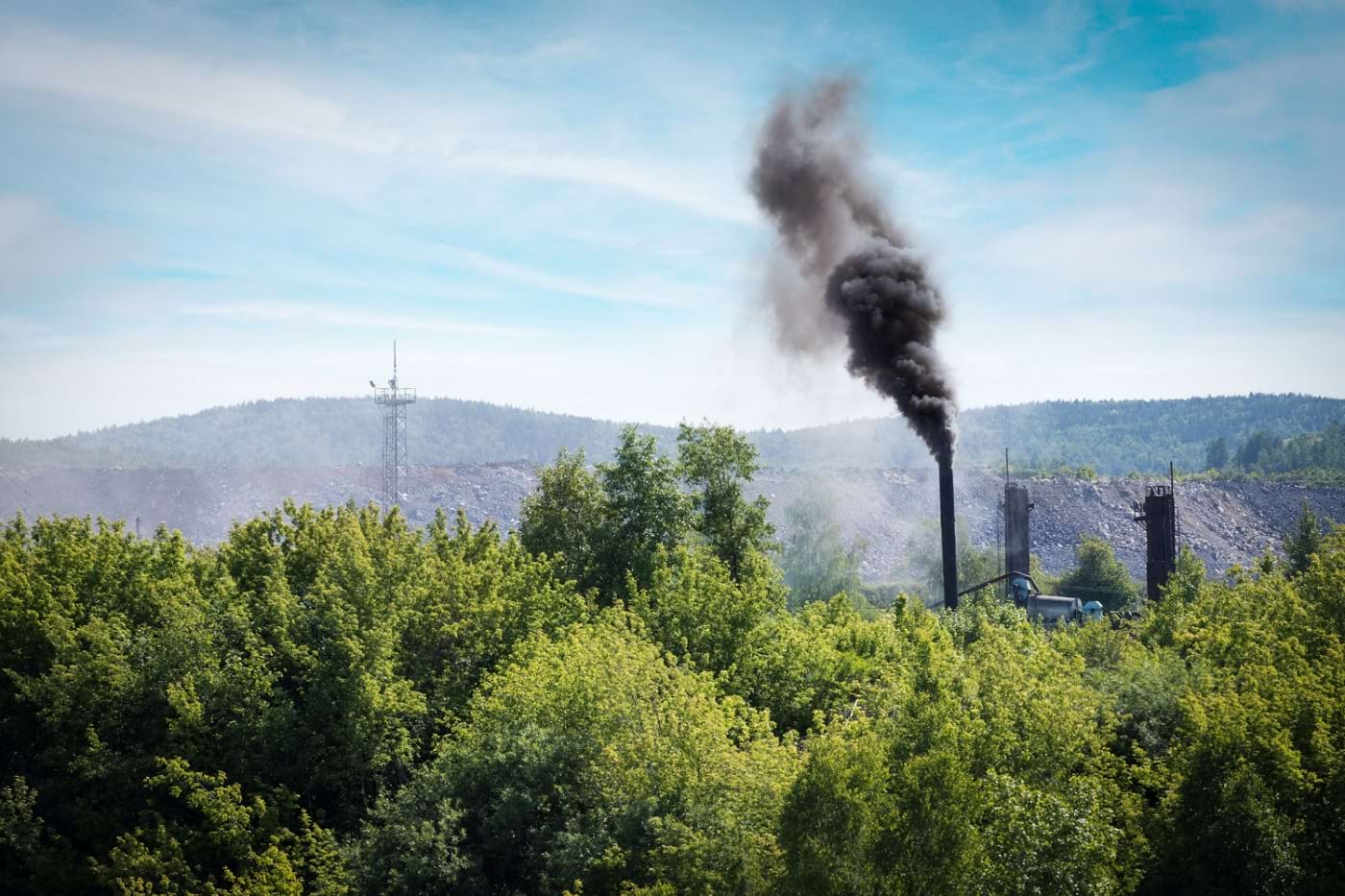
In an era where environmental consciousness is paramount, innovative tools are emerging as catalysts for change. Among these, the air map stands out as a beacon of hope, offering a unique perspective that transcends traditional boundaries. As we navigate the complexities of our ecological challenges, leveraging the power of air maps proves to be a transformative approach, unveiling a wealth of information crucial for fostering environmental awareness and sustainable decision-making.
The Invisible Enemy: Unmasking Pollution with an Air Map
Air pollution, often imperceptible to the naked eye, poses a severe threat to our well-being. Air quality maps become our allies in unmasking this invisible enemy. By aggregating data from monitoring stations, satellites, and ground sensors, these maps vividly illustrate the ebb and flow of air pollutants, creating a comprehensive portrait of our atmospheric health.
As our cities burgeon, so does the complexity of air quality dynamics. Air quality maps act as navigational guides through urban mazes, pinpointing pollution hotspots with surgical precision.

By visualizing the concentration of pollutants across neighborhoods, decision-makers can identify areas in urgent need of intervention, steering urban planning towards cleaner, healthier futures – all thanks to the air map.
Beyond the aesthetics of colorful maps lie crucial health insights. Air quality maps provide a quantifiable link between pollution levels and public health. From respiratory ailments to cardiovascular diseases, these maps map out the potential health risks associated with varying levels of air pollution, empowering healthcare professionals and communities to take proactive measures for well-being.
Air quality is not only a matter of health but also intricately linked to climate change. Through satellite imagery and ground-level data, air quality maps contribute to understanding the interplay between pollutants and climate-altering agents. This holistic approach aids scientists in unraveling the complex web of atmospheric interactions, fostering a comprehensive strategy for environmental stewardship.
In the realm of policymaking, precision is paramount. Air quality maps arm policymakers with the data needed for informed decision-making. By visualizing pollution trends and sources, authorities can tailor regulations and initiatives to address specific environmental challenges, leading to targeted and effective interventions for air quality improvement.
Public Awareness: A Call to Action
Environmental awareness transcends the confines of expert circles. Air quality maps, with their user-friendly interfaces and real-time updates, become powerful tools for public engagement. From concerned citizens to community leaders, these maps empower individuals to monitor and understand the air they breathe, fostering a sense of shared responsibility and spurring collective action for cleaner air.
As we navigate the ever-evolving landscape of environmental challenges, air quality maps emerge as indispensable allies, breathing life into our collective quest for change. Beyond the pixels and colors lie the stories of our air—stories of health, climate, and the very essence of our existence. Let us embrace the power of the air map, for in its dynamic visualizations lies the path to a future where every breath is a breath of fresh, unpolluted air.
Author Profile

Latest entries
 TechnologyDecember 22, 2023Navigating Environmental Awareness: Harnessing the Power of the Air Map
 Home & GardenMarch 30, 2023Automate your lighting with a smart dimmer plug
 Electricity & ElectronicsMarch 28, 2023The next generation of entertainment – the 3D gaming studio and how can you form it for your fellow gaming mates!
 Business & FinanceJanuary 20, 2023Choosing the Right Decentralized Exchange – A Guide to Navigating the DeFi Landscape